October 8, 2026
Selecting the ideal surface for your kitchen or bathroom is one of the most impactful decisions you can make during a home renovation. Beyond serving as a practical workspace for meal prep, daily routines, and family gatherings, your surfaces play a central role in setting the aesthetic tone for the entire room. Navigating through the vast array of available materials, finishes, and price points can feel overwhelming, but evaluating your specific lifestyle needs, aesthetic preferences, and budget constraints will make the process straightforward and rewarding.
Understanding Material Options for Countertops
The marketplace today offers a wider variety of materials than ever before. Understanding the mechanical properties, aesthetic differences, and maintenance demands of each option is the critical first step in making an informed investment.
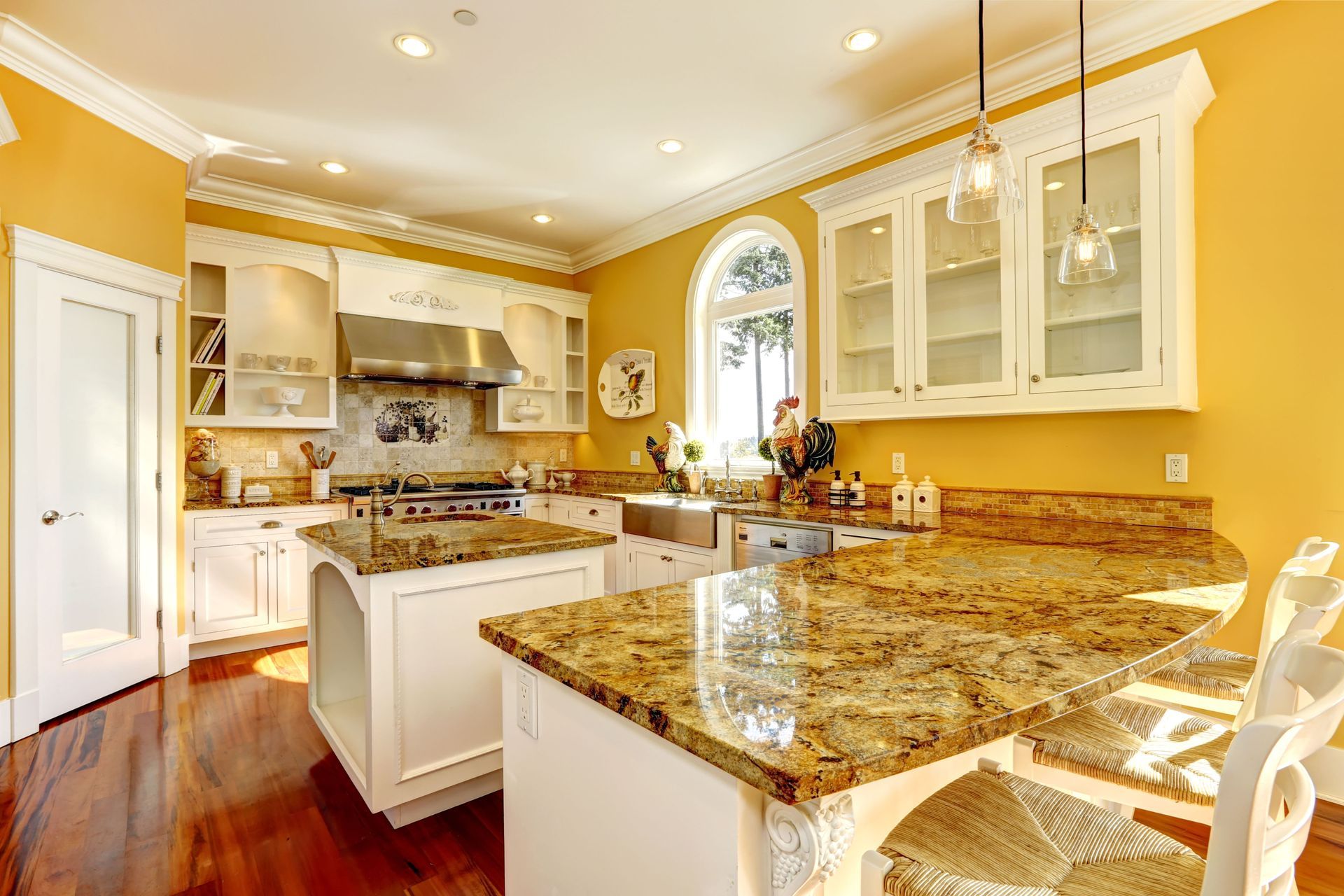
Granite surfaces remain a benchmark for luxury and durability in modern kitchens, offering exceptional heat resistance and natural strength that can withstand decades of heavy use. Quarried directly from Earth's continental crust, each slab features a unique pattern of natural stone veining, mineral deposits, and subtle color shifts, ensuring that no two installations look identical. High-grade granite handles hot pots and pans effortlessly, resisting heat damage that would destroy lesser surfaces.
Marble delivers timeless elegance with its classic white background and soft gray veining, making it a historic favorite for bakers and design enthusiasts. Marble's cool surface temperature makes it naturally ideal for rolling pastry dough. However, marble is a softer, highly porous calcium carbonate stone. It requires diligent, proactive maintenance, including routine sealing to prevent deep-set staining and etching caused by exposure to acidic household items like lemon juice, vinegar, and red wine.
For homeowners who want the dramatic, sweeping veining of marble combined with performance exceeding granite, natural quartzite has emerged as a top contender. Formed when quartz-rich sandstone undergoes intense heat and pressure underground, quartzite is extremely dense and hard. It stands up remarkably well to scratches and heat, though like all natural stone, periodic sealing is required to preserve its non-porous defense.
Quartz surfaces have rapidly grown in popularity due to their engineered composition, typically consisting of approximately 90% to 93% crushed natural quartz aggregates bound together with high-performance polymer resins and pigments. Because quartz is manufactured in a controlled environment, it is completely non-porous. This inherent non-porosity makes quartz virtually stain-resistant, highly hygienic, and eliminates the need for periodic sealing or specialized granite cleaners. While quartz provides consistent patterns and effortless daily care, its resin content makes it vulnerable to thermal shock; direct contact with boiling pans or slow cookers can cause surface yellowing or cracking, requiring trivets at all times.
Assessing Daily Lifestyle Demands for Countertops
Evaluating how your household utilizes the kitchen daily is essential when deciding which countertops will deliver the best long-term value. Busy families with young children or avid home chefs who cook frequently require high-performance surfaces capable of enduring dropped cookware, acidic spills, heavy impact, and continuous cleaning routines.
Sturdy options like quartz, granite, and quartzite resist daily wear and tear without showing signs of damage, making them ideal for high-traffic environments where life happens fast. On the other hand, households where cooking happens less frequently, or adult-only homes focused on high-end architectural entertaining, might prioritize striking visual appeal over extreme durability, allowing for delicate choices like honed marble or soft soapstone.
Your personal cleaning routines and maintenance habits should also directly influence your decision:
- Low-Maintenance Lifecycles: If you prefer surfaces that require nothing more than a quick wipe-down with warm water and mild soap, non-porous materials like quartz and solid surfaces are the most practical fit.
- High-Maintenance Trade-offs: If you appreciate the natural patina, aging, and character of living surfaces, and don't mind oiling wood or sealing stone annually, materials like butcher block, marble, and soapstone add undeniable soul to a kitchen.
According to a Houzz Kitchen Trends Study, 91% of homeowners choose to upgrade their countertops during a kitchen renovation, with durability and ease of cleaning ranking as top functional drivers. Selecting a material that aligns with your household dynamics ensures your new countertops remain a functional and beautiful feature for many years to come.
Evaluating Budget Factors for Countertops
Establishing a comprehensive budget early in the planning process helps prevent unexpected expenses and narrows your choices to realistic options. Material costs vary dramatically across different categories, ranging from budget-friendly laminate ($20 to $50 per square foot installed) to mid-range quartz ($60 to $120 per square foot installed) and premium engineered slabs or rare, exotic natural granite and quartzite ($100 to $250+ per square foot installed).
Beyond the initial purchase price of the raw slab or sheet, several critical installation and structural factors contribute to the total line-item cost:
- Fabrication and Labor: Heavy natural stone slabs require specialized bridge saws, waterjet cutting, edge polishing, and skilled installation crews to move without fracturing the material. Complex room layouts with multiple cutouts or angled walls naturally increase fabrication time and labor rates.
- Sink and Fixture Cutouts: Undermount sinks require smooth, polished inside edges, costing more than traditional drop-in sink cutouts. Cooktop drop-ins, pop-up electrical outlets, and specialized faucet configurations also add per-hole fabrication charges.
- Slab Yield and Waste: Kitchen layouts with large L-shapes or oversized islands may require buying two full slabs even if you only need a fraction of the second slab, driving up raw material costs due to unutilized waste.
It is equally important to consider the long-term value and lifespan of your investment. High-quality stone and engineered materials often last the lifetime of the home, eliminating future replacement costs and enhancing overall resale value when listing the property. Conversely, lower-cost materials may require replacement or repair within 5 to 10 years, which can add to long-term housing expenses. Factoring in potential lifetime maintenance costs provides a clear, realistic picture of total ownership costs when buying countertops.
Designing for Visual Impact with Countertops
Achieving cohesive style requires careful consideration of color coordination, texture, and edge details across all kitchen elements. Neutral tones like crisp white, soft gray, warm beige, and subtle greige provide timeless versatility that pairs effortlessly with standard cabinet finishes and evolving decor styles over time. Bold slab patterns, such as high-contrast Calacatta veining, rich emerald quartzites, or deep black granites, can create a striking focal point, anchoring the overall room design.
Surface finishes and edge profiles add subtle detail that defines the overall character of your space:
- Polished Finish: Offers a high-gloss, reflective surface that brightens the room by bouncing light, enhancing color depth and mineral sparkle in natural stone.
- Honed (Matte) Finish: Delivers a smooth, non-reflective matte look that creates a softer, relaxed modern appearance and conceals minor surface smudges and water spots.
- Leathered Finish: Provides a subtle, textured surface that follows the natural contours of the stone, hiding fingerprints while adding tactile depth.
- Edge Profiles: Edge choices range from clean, crisp straight or eased edges for contemporary and transitional designs, to elaborate ogee, waterfall, or bullnose shapes that complement traditional and classic architectural styles.
Optimizing Environmental Health with Countertops
Sustainable design practices have become a central focus for modern home renovations, prompting many homeowners to consider the environmental footprint of their building materials. Eco-friendly surface options made from recycled glass, reclaimed timber, and bio-based resin systems offer stunning, durable alternatives that reduce landfill waste and support sustainable manufacturing practices. Sourcing materials extracted and processed regionally can also significantly minimize the carbon emissions associated with long-distance ocean and freight transportation while supporting local stone suppliers and regional craftsmanship.
Choosing the ideal surface for your home involves finding the right balance between long-term durability, daily maintenance, budget constraints, and personal aesthetic goals. By taking the time to evaluate how your household functions and exploring the unique structural benefits of each material category, you can make a confident investment that enhances the beauty, efficiency, and value of your space. For more information about the premium stone surfaces and professional installation services that we offer, reach out to our incredible team at Unique Marble Granite & Quartz today!